New Crate Scooter? The First-Service Checklist Before You Really Ride It
A crate GY6 is a kit that happens to look like a scooter. Ninety minutes with a socket set on day one prevents the breakdowns owners blame on the bike later.
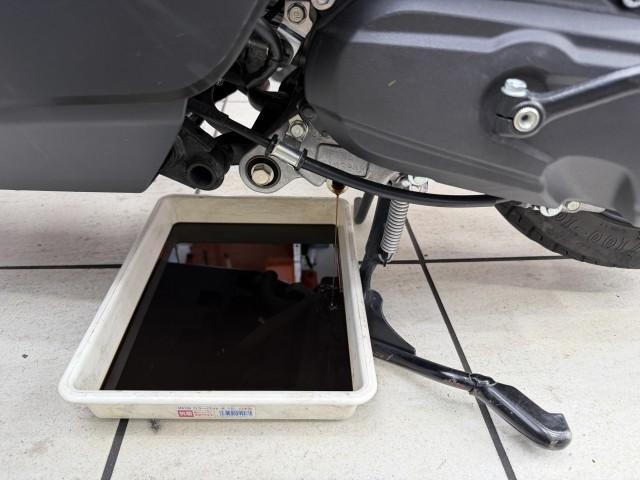
Every crate-scooter horror story starts the same way: someone unboxes the bike, fires it up, and rides — skipping the inspection the factory assumed a dealer would do. Do these six things first and most of those stories never happen.
- Change the shipping oil immediately. What's in the crankcase is there to prevent rust, not to lubricate. Drain it, refill with about 0.8 qt of 10W-40, then change again around 300 miles.
- Check every fastener you can reach. Axle nuts, handlebar clamp, exhaust studs, engine mounts, brake hardware. Factory torque is a rumor on these bikes; threadlocker on the important ones is cheap peace of mind.
- Inspect the wiring harness. The thin harness is the number-one electrical gremlin on GY6 bikes. Look for pinched, chafed, or loosely seated connectors, especially around the steering head where the harness flexes.
- Check valve clearance. Tight valves from the factory are common and cause exactly the “starts fine cold, dies when hot” behavior owners chase for weeks.
- Set tire pressure and confirm the brakes work — actually work, at walking pace, before the first real ride. Check the brake light and turn signals while you're at it.
- Charge the battery fully before first start, and keep it on a tender when the bike sits. Small batteries die young without one.
Budget a belt and variator inspection early in the bike's life too — the stock belt is a wear item, and checking it now teaches you the CVT before you're doing it on a shoulder. The full interval list lives in the cheat sheet on this page.
Keep reading
 Repair & Maintenance· 8 min read
My 50cc Scooter Won't Start: The GY6 Troubleshooting Order
Don't start by buying parts. Start with the free checks, in the order that rules out the most causes per minute.
Read the article → Ownership· 6 min read
Titling a 50cc Moped in Virginia: The MSO, the Fees, and the DMV Trip
Virginia titles and registers mopeds like vehicles, but skips insurance and the motorcycle license. Here's the paperwork that makes it painless — and the one document that ruins your day if it's missing.
Read the article →