Vacuum vs. Electric Fuel Pumps on a GY6: Which One Belongs on Your Scooter?
Low-tank scooters cannot gravity-feed, so the pump matters. How each type works, where each one fails, and the honest pick for stock and big-bore builds.
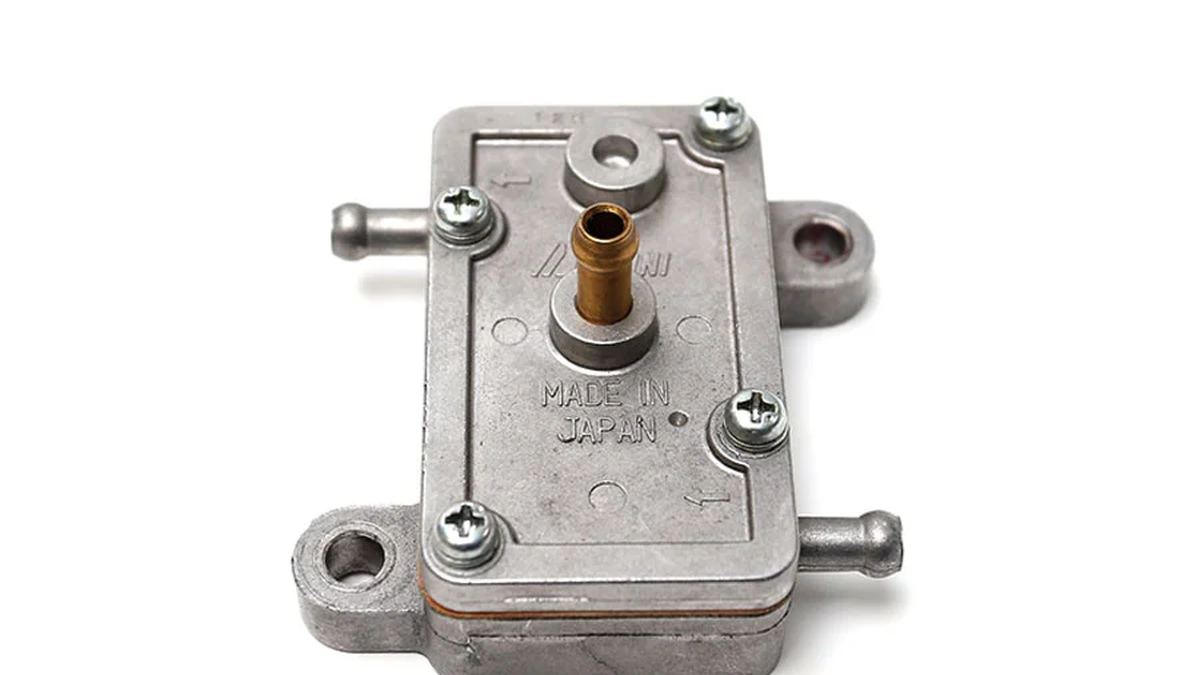
Most scooters never think about fuel delivery: the tank sits above the carburetor and gravity does the whole job. Ruckus-style bikes like the Ice Bear Maddog put the tank down low, at or below carb height, and gravity quits. Those bikes pump their fuel — and when the stock pump dies, or a build outgrows it, you have exactly two ways to replace it: vacuum or electric. They are not interchangeable answers. Each one is the right fix for a different problem.
How a vacuum pump works
A vacuum (pulse) pump is a small diaphragm pump driven by pressure pulses from the intake manifold. Every intake stroke tugs the diaphragm; fuel moves a little at a time, only while the engine is cranking or running. Output is gentle — around 1 to 2 psi — and that gentleness is the point. A vacuum pump physically cannot overpower a healthy float needle, so it cannot flood your carb, and it draws no power from a charging system that does not have much to spare.
Where vacuum pumps fall short
- Priming: after the bike sits for weeks and the float bowl dries out, you crank and crank while the pump slowly refills it.
- Aging diaphragms: the rubber inside hardens and cracks with age and ethanol. Cheap clone pumps are notorious for this — the diaphragm is where the money was saved.
- The pulse hose: a cracked or loose vacuum line kills the pump silently. The pump tests fine on the bench and does nothing on the bike.
- Flow ceiling: a big-bore kit with a big carb, held wide open on a long climb, can drink faster than a small pulse pump delivers.
How an electric pump changes things
Turn the key and an electric pump runs before you ever touch the starter: float bowl full, first crank, every time. Delivery is steady no matter what engine vacuum is doing, which is why the Maddog world adopted it — Rolling Wrench built its name on electric pump swaps for these bikes. But electric has one trap that catches people constantly: pressure. A carb float needle can only hold back so much. A pump meant for a carburetor has to be low-pressure, roughly 2 to 4 psi. Plenty of cheap universal electric pumps push far more than that and will flood the carb, soak the air filter, and wash fuel past the rings into your oil. If the listing does not state a low psi rating, walk away from it.
Where electric pumps fall short
- Wiring: it needs fused, key-switched power. Wired straight to the battery, it runs until the battery is dead or the pump burns out.
- No battery, no fuel: a weak battery on a vacuum-pump bike still kick-starts and runs. On an electric-pump bike, a flat battery is the whole story.
- Noise and quality: the bargain pumps buzz audibly and are the single most common failure point in these swaps.
If you swap, the short list
- Genuine Mikuni over clones: the real DF44-type pump runs about $25–35. The $10 copies work until the diaphragm gives up, which is usually soon.
- Filter before the pump, never after — debris kills diaphragms and pump valves alike.
- Keep the pulse hose short and replace it while you are in there; old hose is cheap insurance against a comeback.
- Going electric: cap the intake pulse nipple, deal with the old vacuum petcock properly instead of leaving it half-connected, and mount the pump low and level.
The honest bottom line
Neither pump adds power by itself. The gains in the swap videos come from curing fuel starvation on bikes that had it — a healthy stock bike gains nothing but a lighter wallet. Diagnose first: if the bike runs lean only at sustained full throttle, or the bowl is dry every Monday morning, you have a delivery problem and a pump choice to make. If it runs fine, your pump is not the bottleneck, and the money belongs somewhere else.
Keep reading
 Repair & Maintenance· 8 min read
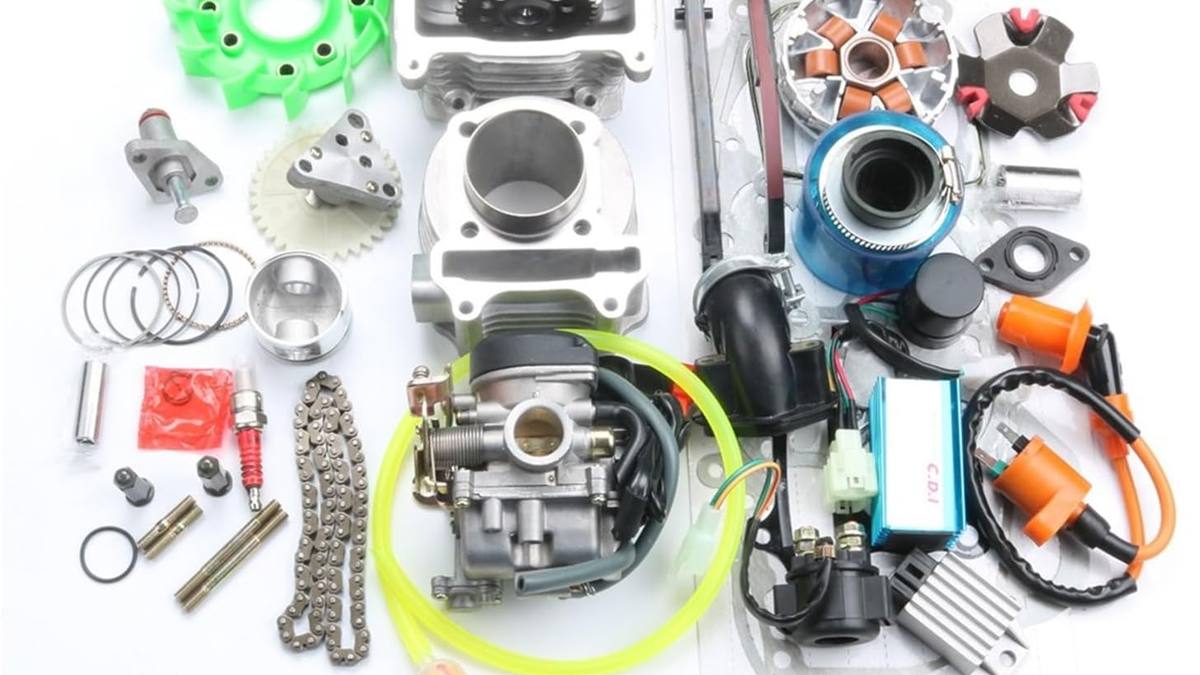
Making a 50cc Faster: The Honest Upgrade Path, Stage by Stage
CVT tuning, big-bore kits, and the real numbers on what each dollar buys — plus the one upgrade that quietly kicks you out of moped class.
Read the article → Repair & Maintenance· 8 min read
My 50cc Scooter Won't Start: The GY6 Troubleshooting Order
Don't start by buying parts. Start with the free checks, in the order that rules out the most causes per minute.
Read the article →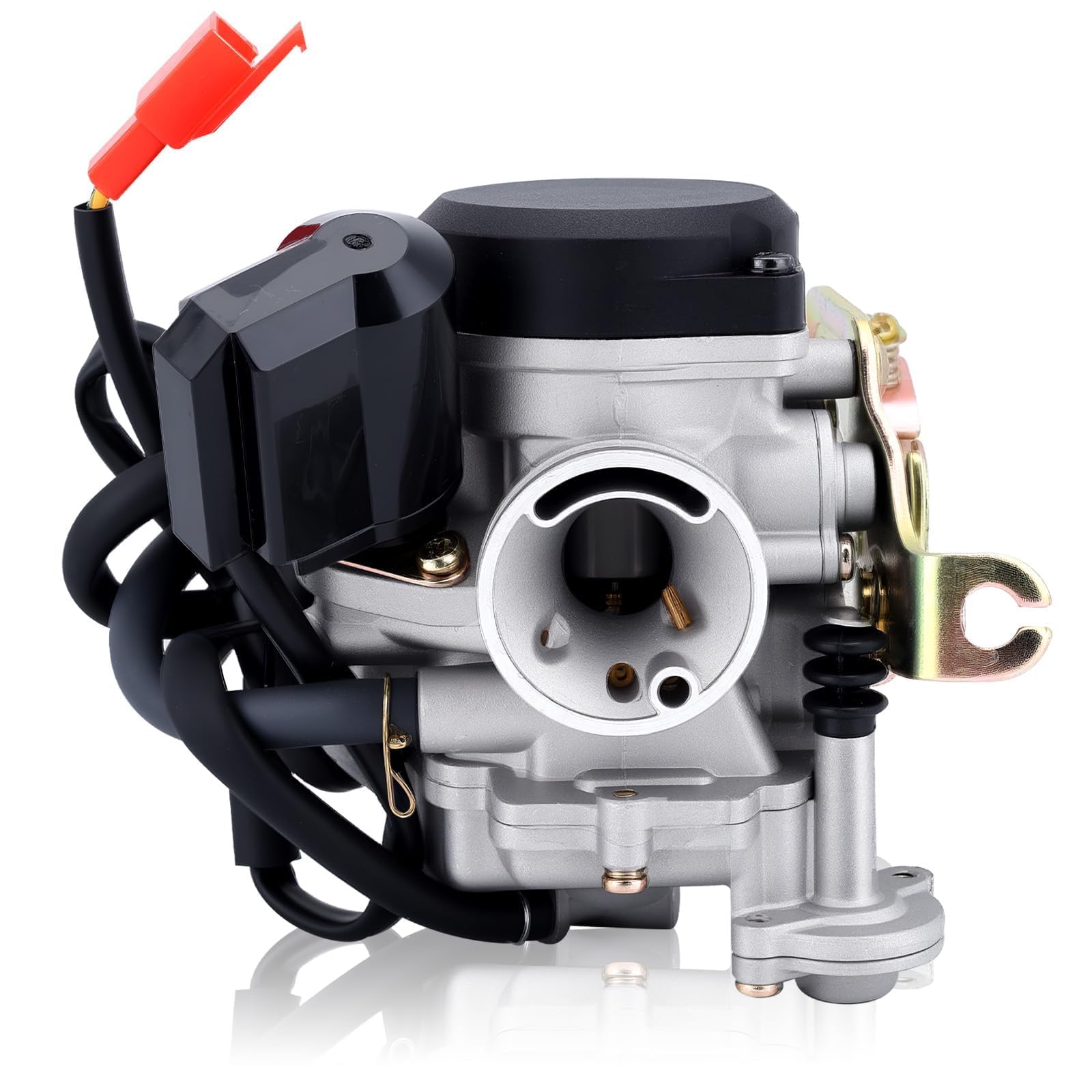 Repair & Maintenance· 7 min read
Cleaning a GY6 Carburetor (and the Jets Ethanol Loves to Plug)
Sits for a month, cranks forever, maybe fires and dies. Nine times out of ten on a small GY6, that's a pilot jet wearing a coat of ethanol varnish.
Read the article →