Camping Off-Grid with a 50cc: The Slowest Adventure Rig That Works
A 50cc scooter, a tent, and backroads: how to pack it, how far it will take you, and why the slowest bike makes the best camping rig.
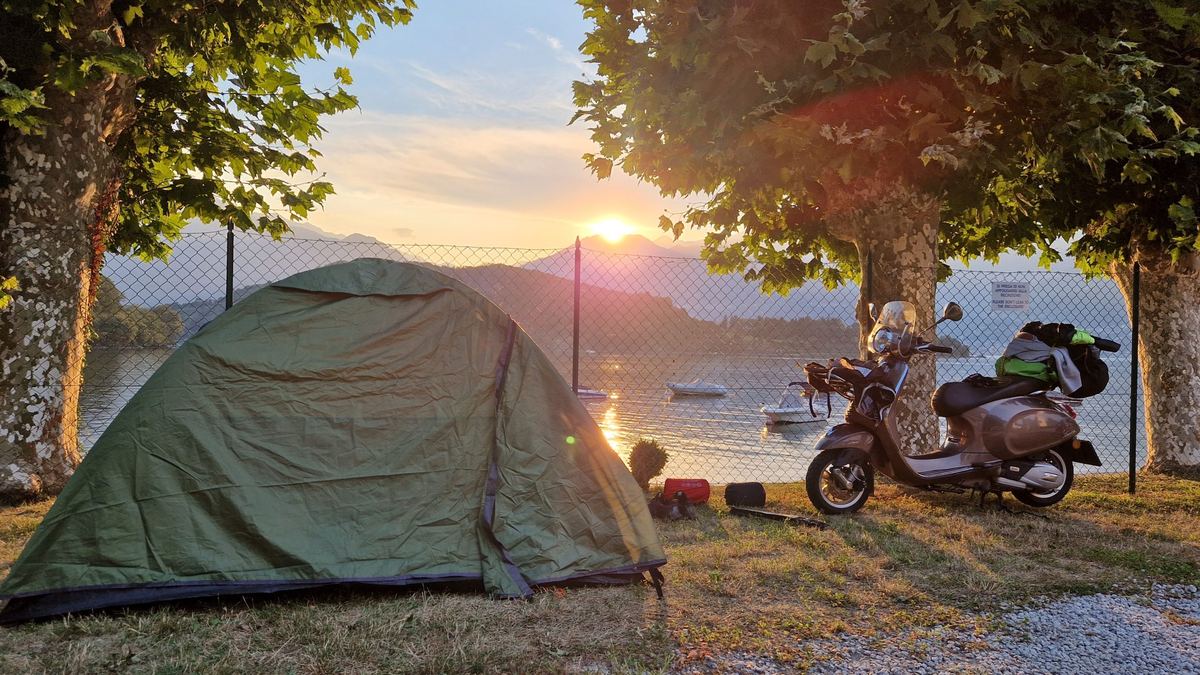
A 50cc scooter and a tent might be the cheapest adventure rig on wheels. No truck, no trailer, no $40,000 overland build — just a bike that sips gas, a tent that fits in a tail bag, and backroads that were made for 35 mph. It is not fast travel. That is the point.
Why a 50cc actually works for this
Start with the math that matters. At around 100 mpg, a weekend of riding costs less than a pizza. The bike weighs nothing, so it goes down gravel and grass tracks that would worry a big bike. It forces you onto the slow roads — which is where the good campsites are anyway. And when something breaks, it is a GY6: the parts fit in a sandwich bag and the fixes are simple.
The honest limits (plan around them)
- Range. Most 50s carry 1.3–2 gallons. Plan fuel stops every 60–80 miles and carry a 1-liter fuel bottle as a reserve — it has saved more scooter campers than any other single item.
- Speed. No highways, no 55-mph arterials with real traffic. Route on county roads and state routes where 35–45 is the flow, and plan days around 100–150 miles max.
- Cargo. You get a tail bag, a backpack, and whatever you can bungee down. That is it. Pack like a backpacker, not a car camper.
Packing the bike
The standard rig: a waterproof tail bag or dry bag bungeed to the rear rack, a small backpack for the light stuff, and a cargo net over all of it. Heavy gear goes low and forward — tools and stove fuel under the seat if you have the room, tent and sleeping bag on the rack. Keep the whole load under 30–40 pounds; the little suspension and brakes notice every extra pound. Strap everything like you will hit a pothole at 35, because you will.
The kit list
- Shelter: a 1–2 person tent or a hammock with a tarp. Packs small, sets up anywhere.
- Sleep: sleeping bag rated for the night's low, plus a pad — the pad matters more than the bag.
- Cook: a compact canister stove, one fuel canister, a pot, a spork. That is a full kitchen on a scooter.
- Water: more than you think — a gallon a day per person, and you cannot count on finding it.
- Bike kit: basic tools, a spare drive belt, a spare spark plug, a tire plug kit and a mini pump. The four things that actually strand scooters.
- Yourself: rain gear, a headlamp, a first-aid kit, and layers — 45 degrees at 35 mph feels a lot colder than 45 degrees standing still.
Where to sleep
Dispersed camping in National Forests is the move — free, legal in most districts, usually with a 14-day stay limit. Check the local district's rules before you go; some areas restrict it. State parks sell cheap primitive sites with the bonus of a bathroom. And the old-fashioned way still works: ask a landowner. A polite ask at a farmhouse beats a sketchy roadside pull-off every time. Wherever you land, Leave No Trace — pack it in, pack it out, and leave the site cleaner than you found it.
Power and phones
Your phone is your map, your camera, and your emergency line — keep it charged. A small USB power bank covers a weekend and is simpler than wiring the bike. If you wire a USB port to the scooter's 12V system, fuse it and remember the little battery has almost no reserve; charge while riding, not while parked. Download offline maps before you leave — the good campsites are exactly where the signal dies.
Weather is the boss
On a scooter you are fully exposed, so the forecast is part of the packing list. A clear night at 45 degrees is glorious; the same night in rain is miserable without good rain gear and a tent you trust. Always have a bailout — a town with a motel within an hour's ride, and someone back home who knows your route and when to expect you.
A 50cc will never be the fast way to go camping. But ride out on a Friday evening with everything you need strapped behind you, watch the sun go down from a tent you carried on a moped, and try to tell me the fast way was better.
Keep reading
 Riding· 6 min read
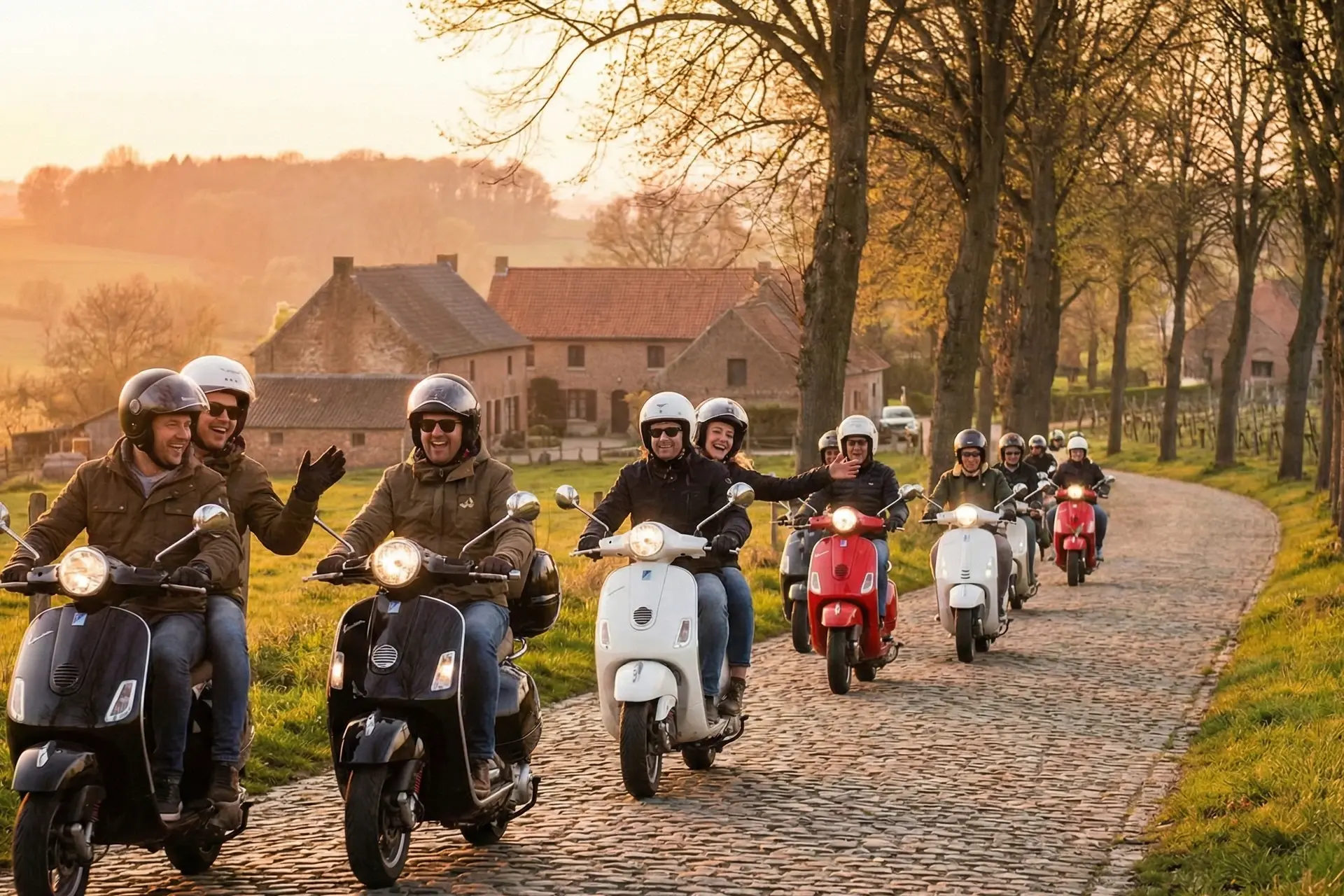
Riding a 50cc Where It Belongs: Backroads, Evenings, and Riding With a Group
A 35-mph scooter is the wrong tool for a highway and the perfect tool for a rural evening. Route thinking, visibility, and group etiquette for small bikes.
Read the article →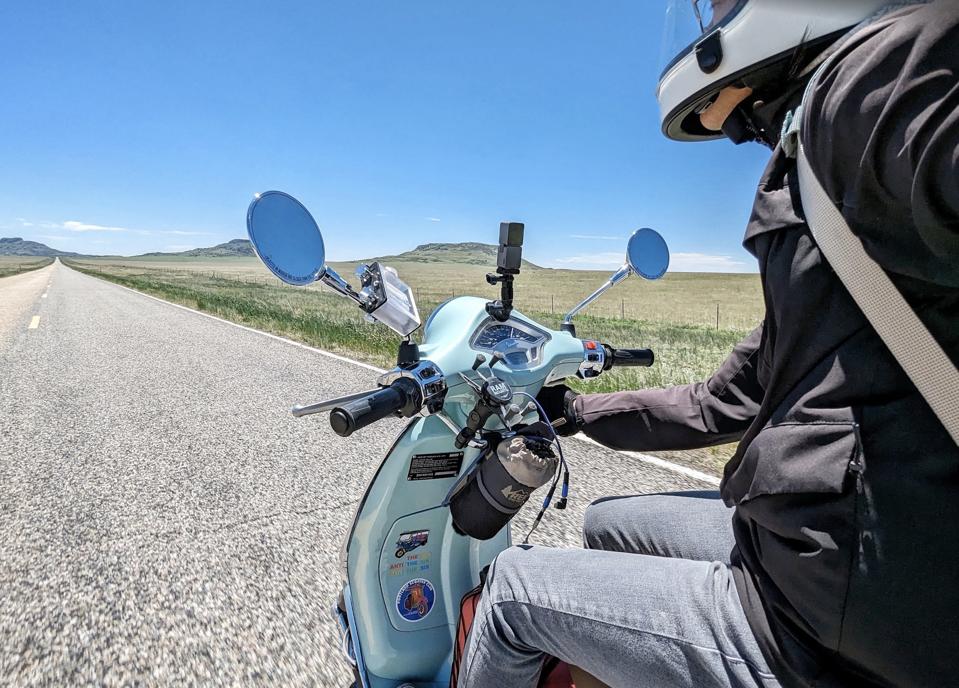 Riding· 6 min read
Basic Safety Gear Every Scooter Rider Needs
You don't need racing leathers for a 50cc. You do need a real helmet, gloves, and enough protection to keep a small mistake from becoming a hospital visit.
Read the article →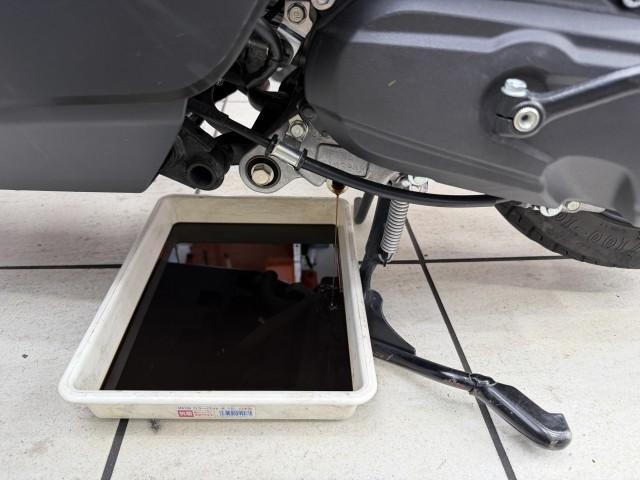 Repair & Maintenance· 6 min read
New Crate Scooter? The First-Service Checklist Before You Really Ride It
A crate GY6 is a kit that happens to look like a scooter. Ninety minutes with a socket set on day one prevents the breakdowns owners blame on the bike later.
Read the article →